
Starlink
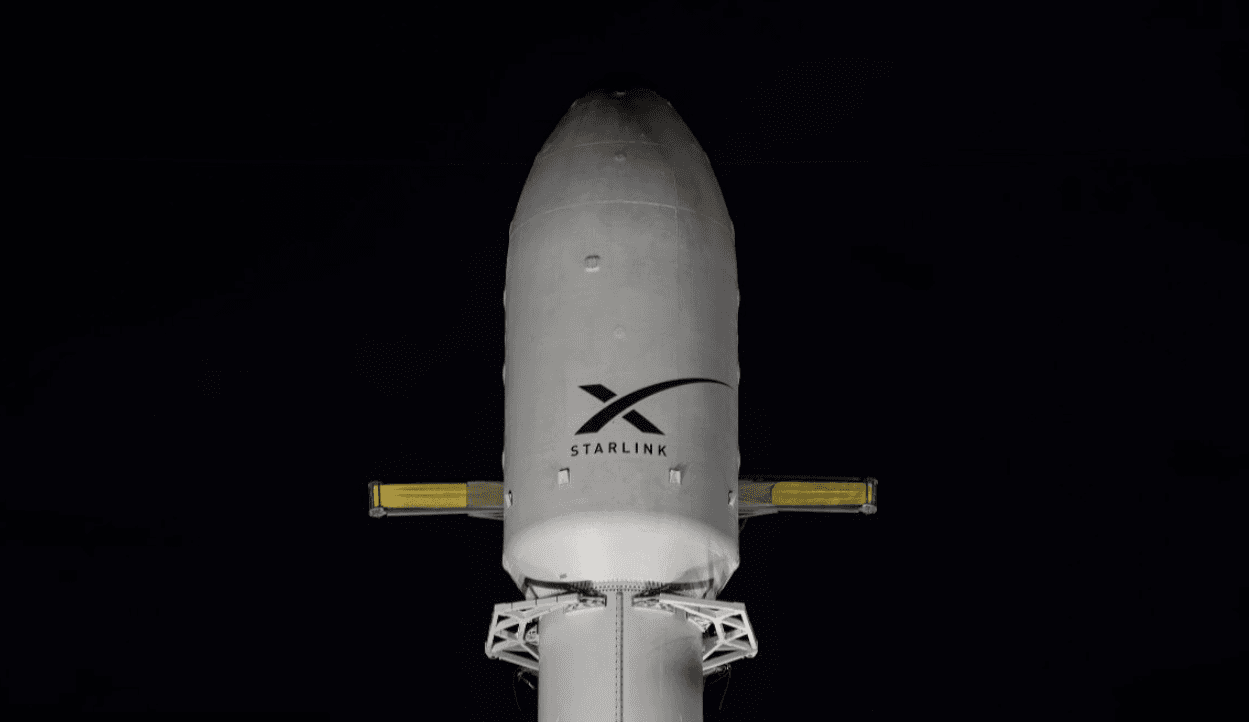
Starlink Group 15-16
Falcon 9
A batch of 27 satellites for the Starlink mega-constellation - SpaceX's project for space-based Internet communication system.
Learn moreWindow: 04:45–08:45 UTC
Unofficial Re-stream by SPACE AFFAIRS has started
Upcoming
6Starlink Group 15-18
Falcon 9
A batch of 27 satellites for the Starlink mega-constellation - SpaceX's project for space-based Internet communication system.
Learn more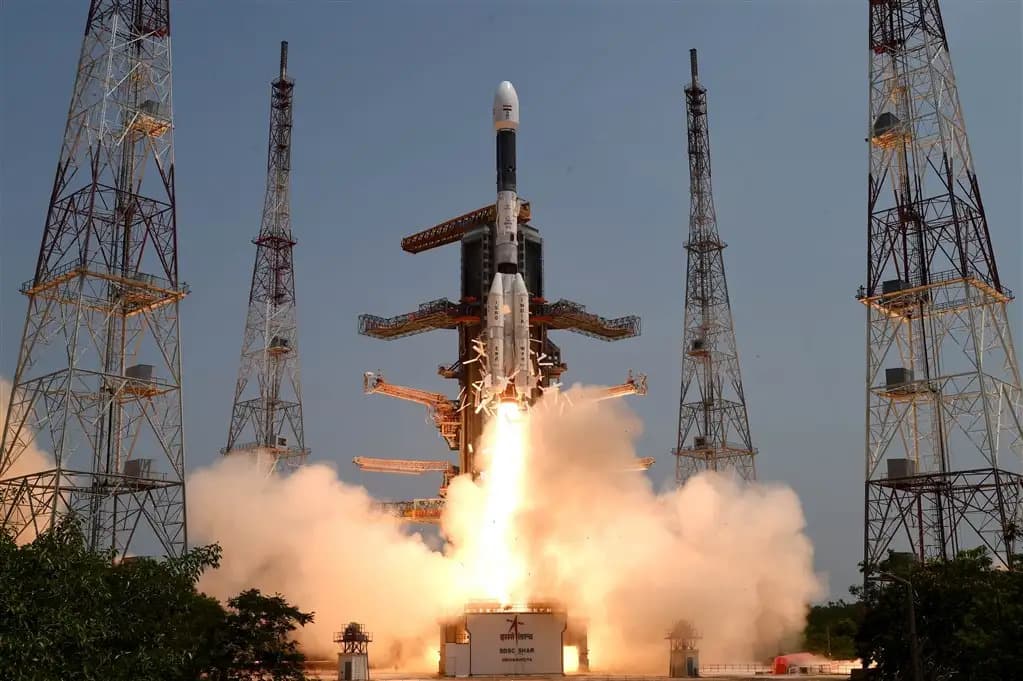

IRNSS-1L (NVS-03)
GSLV Mk II
This is a replacement satellite for the Indian Regional Navigation Satellite System. The constellation will provide India with an alternative to GPS and will be used for military and civilian use. Located at a geosynchronous orbit, the system will be operated by the Indian government.
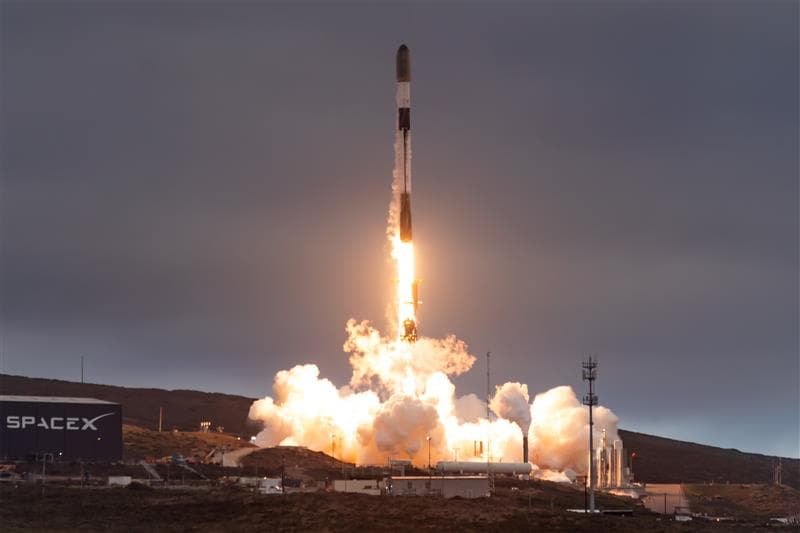
USSF-432
Falcon 9
A classified mission for the United States Space Force. It is possibly a batch of classified LEO satellites based on SpaceX’s Starshield satellite bus, based on locations of rocket stage drop zones being exact fits with previous Starlink Group 15 launches.
Learn more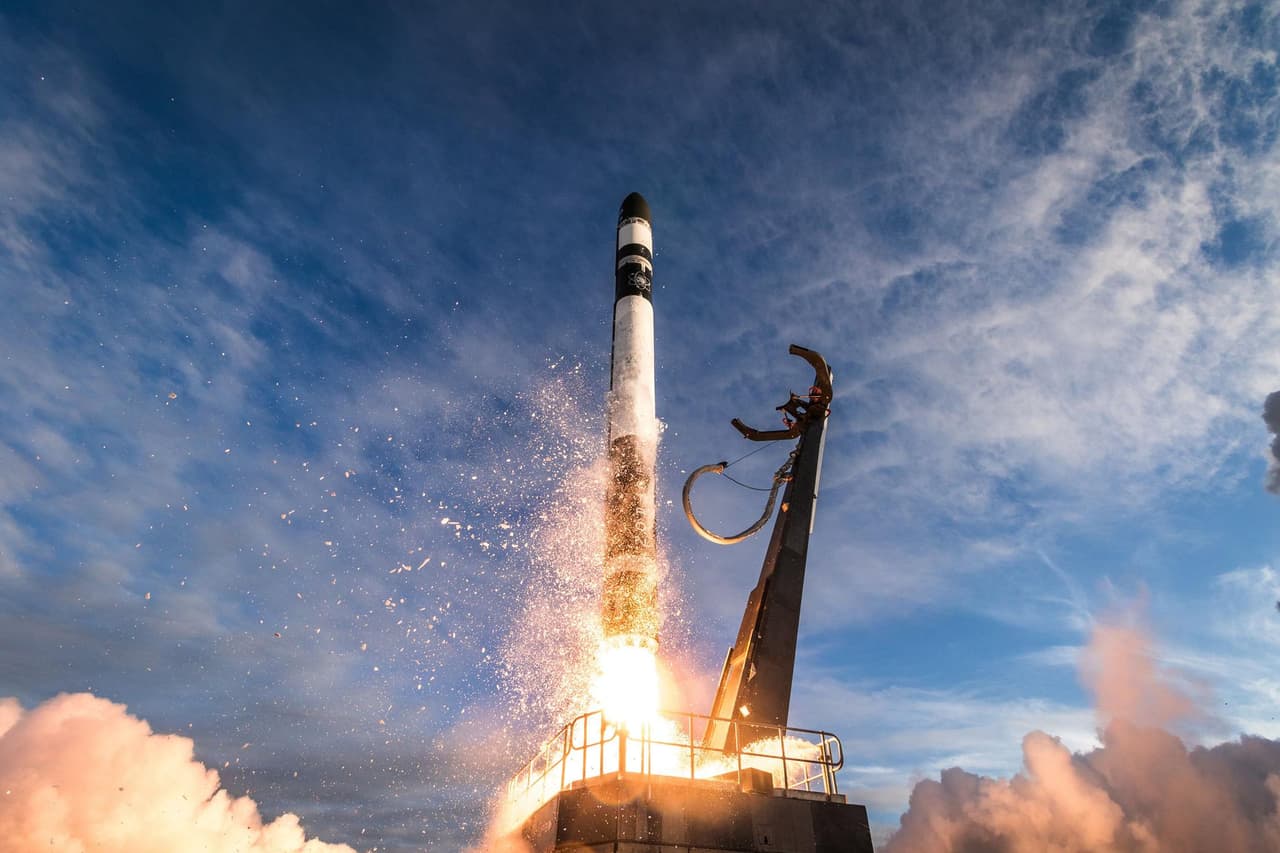

The Sea God Surveys (iQPS Launch 9)
Electron
Synthetic aperture radar Earth observation satellite for Japanese Earth imaging company iQPS.
Learn moreStarlink Group 15-21
Falcon 9
A batch of 27 satellites for the Starlink mega-constellation - SpaceX's project for space-based Internet communication system.
Learn more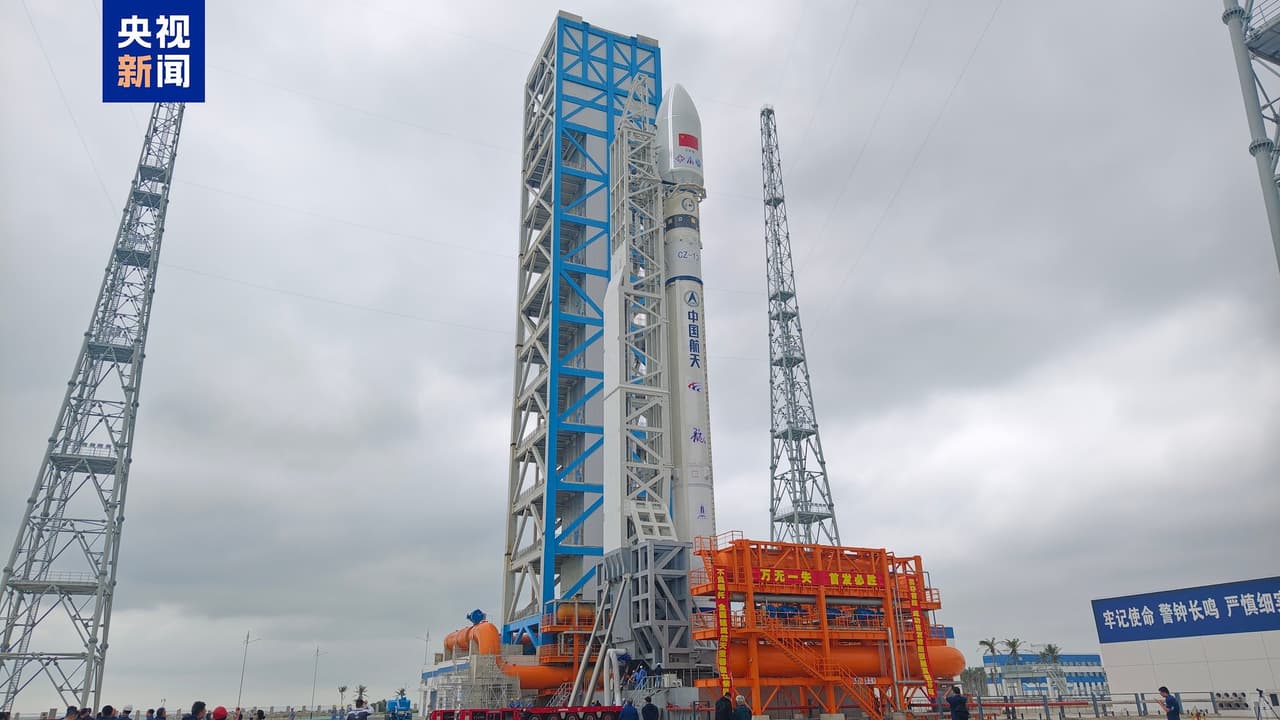

SatNet LEO Group TBD?
Long March 12
A batch of 9 Low Earth Orbit communication satellites for the Chinese state owned SatNet constellation operated by the China Satellite Network Group. The constellation will eventually consists of 13000 satellites.
Follow rocket launches live as they happen
Get instant updates on upcoming launches and space missions from agencies across the globe. Never miss a liftoff.